EU rolls out strict limits on Mineral Oil contamination in food
The European Union has greenlit a comprehensive regulatory overhaul targeting hazardous mineral oils in the food supply chain. Meeting on May 13, 2026, representatives from member states within the SCOPAFF Standing Committee officially endorsed a European Commission proposal to amend Regulation (EU) 2023/915, setting a binding legal precedent for food safety.
The sweeping legislation targets Mineral Oil Aromatic Hydrocarbons (MOAH)—specifically chemical fractions between C₁₀ and C₅₀—which the European Food Safety Authority (EFSA) warns are potentially carcinogenic and genotoxic. Because these toxic compounds easily migrate into food from varied sources like field-harvesting lubricants and recycled cardboard packaging inks, the EU is establishing thresholds across a broad spectrum of consumer goods.
The EU’s newly established legal caps are tied directly to individual food matrices and their overall fat content:
• Low-fat and basic staples: For basic commodities like cereals, legumes, milk, and dairy, as well as any processed foods containing 4% fat or less, a strict limit of 0.50 mg/kg has been mandated.
• Moderate-fat formulations: Foods with fat concentrations spanning between 4% and 50% face a maximum legal limit of 1.0 mg/kg.
• High-fat commodities & supplements: Pure animal or vegetable fats and oils must not exceed 2.0 mg/kg. Meanwhile, specialized categories like dietary supplements face a higher cap of 10.0 mg/kg initially, which will systematically drop to a final 5.0 mg/kg ceiling.
While Mineral Oil Saturated Hydrocarbons (MOSH) escape binding commercial bans for now, they are subject to a robust four-year monitoring strategy running from 2026 to 2029. Any breach of predefined "indicative levels" will legally force manufacturers to trace and mitigate the contamination source.
Following the Commission's formal adoption and official publication scheduled for October 2026, the majority of these stringent rules will take full effect on January 1, 2027. Recognizing the operational hurdles this poses, the EU has granted a phased grace period until 2030 for complex sectors like seed oils, pomace oils, and dietary supplements, allowing them to progressively draw down their contamination levels.
Simultaneously, the EU is radically upgrading its analytical protocols by updating Regulation (EC) No 333/2007. To prevent laboratories from accidentally contaminating their own test samples, technicians must now entirely avoid common plastics or industrial glues, utilizing only inert glass or PTFE containers during testing. This ensures that subsequent market enforcements are based on flawless, uncompromised data.
Source:
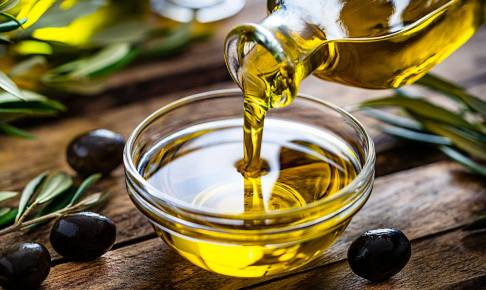
Olive oil tests reveal mineral oil contaminants and looming EU rule changes
A recent investigative report by the Italian consumer advocacy magazine Il Salvagente has brought to light widespread mineral oil contamination in popular extra [...]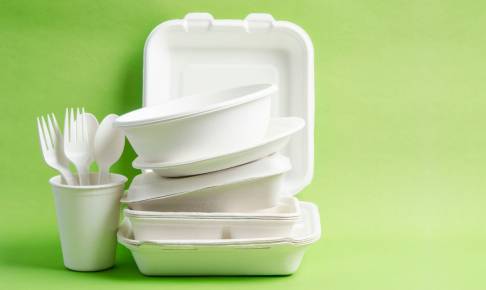
Germany introduces tiered framework for evaluating chemical risks in food packaging
The German Federal Institute for Risk Assessment (BfR) has released updated guidelines detailing a structured approach for evaluating non-intentionally added su [...]