Olive oil tests reveal mineral oil contaminants and looming EU rule changes
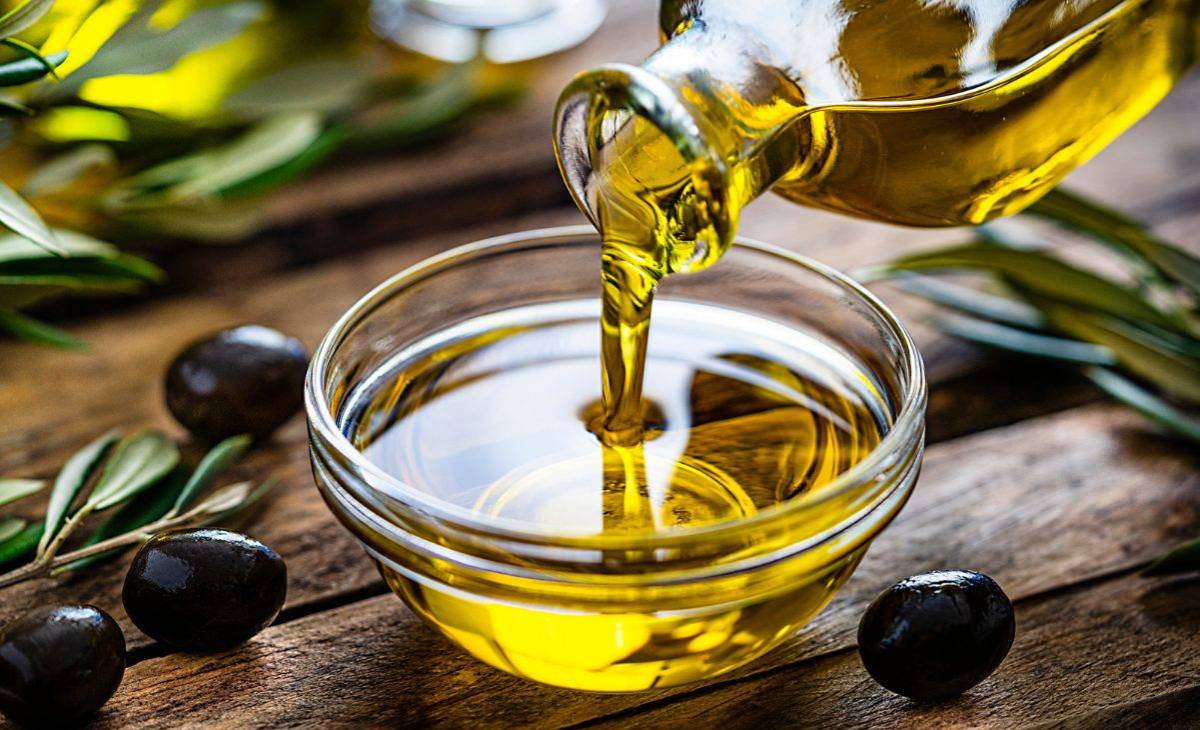
A recent investigative report by the Italian consumer advocacy magazine Il Salvagente has brought to light widespread mineral oil contamination in popular extra virgin olive oils. The laboratory tests evaluated 16 commercial samples, including major brands, revealing significant traces of petroleum-derived substances while highlighting forthcoming regulatory shifts by the European Union.
The analysis focused on two main categories of contaminants. First, Mineral Oil Aromatic Hydrocarbons, known as MOAH, were detected above the European Commission's current recommended advisory threshold of 2 mg/kg in five out of the 16 tested samples, with results ranging from 2.1 to 3.7 mg/kg. MOAH are potentially genotoxic and carcinogenic compounds capable of damaging DNA. Because regulatory authorities state that no safe exposure dose exists for humans, the entire food supply chain must follow the ALARA principle to keep levels as low as reasonably achievable. Because olive oil is a high-fat staple of the Mediterranean diet, the European Food Safety Authority notes it serves as a primary source of dietary MOAH exposure.
The laboratory also tested for Mineral Oil Saturated Hydrocarbons, known as MOSH. While less is understood about their direct human health effects, MOSH are readily absorbed by the body and tend to accumulate in sensitive internal organs such as the liver, lymph nodes, spleen, and adipose tissue, causing microgranulomas and inflammatory reactions in animal studies. In the absence of an official EU limit for MOSH, Il Salvagente applied the German food industry guideline threshold of 13 mg/kg. Consequently, 11 out of the 16 tested oils breached this benchmark, registering concentrations up to 25 mg/kg.
Despite these concerning findings, all analyzed oils are currently one hundred percent compliant with existing laws. Consumer advocates point out that years of voluntary compliance have failed to solve the contamination problem. Paradoxically, rather than enforcing stricter controls, the European Union is moving toward a more lenient framework. Following a compromise reached by member states to modify regulations, the EU is preparing to introduce a binding legal limit for MOAH in olive oil set at 4 mg/kg starting March 1, 2027, before lowering it to 2 mg/kg on January 1, 2028. Critics argue that this timeline acts as a regulatory grace period, temporarily legalizing higher concentrations than the current 2 mg/kg advisory guideline established in 2022.
Source:
Germany introduces tiered framework for evaluating chemical risks in food packaging
The German Federal Institute for Risk Assessment (BfR) has released updated guidelines detailing a structured approach for evaluating non-intentionally added su [...]
New study seeks to tackle safety data gaps in thousands of food-packaging chemicals
A newly published scientific study highlights that the vast majority of chemicals utilized in food-contact materials lack comprehensive safety data, leaving a s [...]