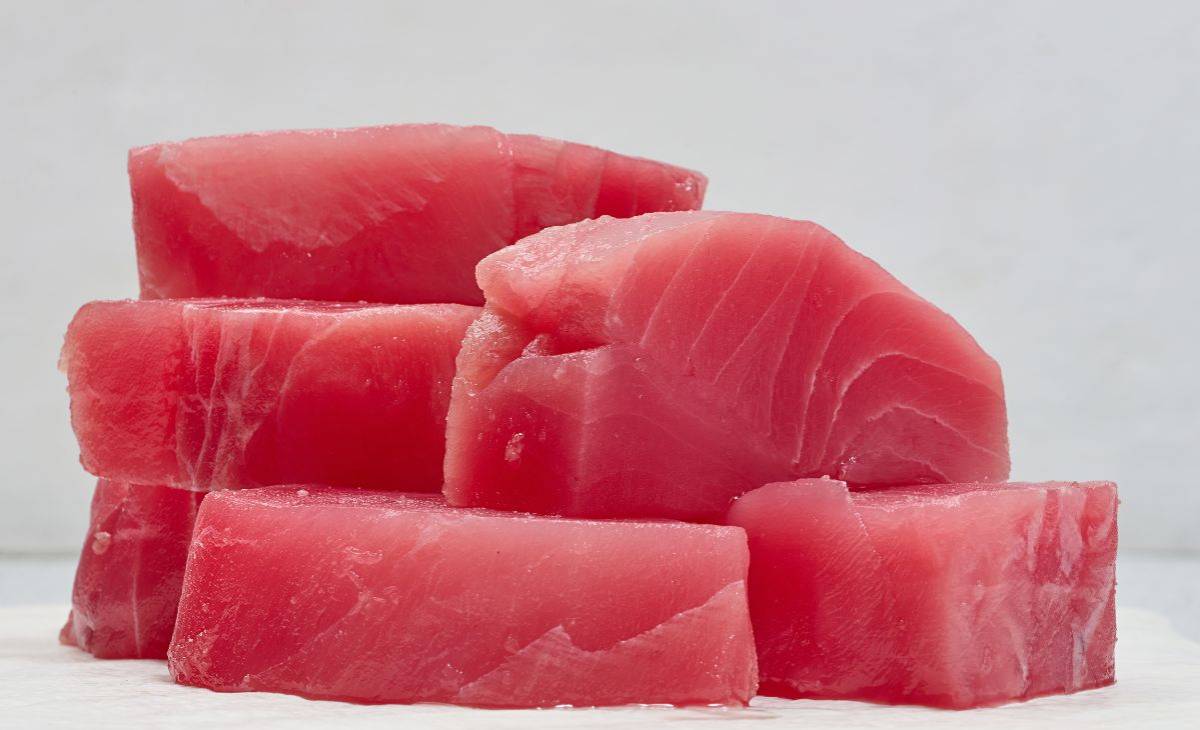
High parasite prevalence discovered in commercial tuna
A recent scientific study conducted in Brazil has shed light on marine life parasitism, revealing that nearly all examined tuna specimens harbored parasites, including within the edible muscle tissue.
Published in the academic journal Ocean and Coastal Research, the research analyzed 53 specimens of skipjack tuna (Katsuwonus pelamis). The fish were caught between 2019 and 2021 across commercial fishing regions (FAO areas 2.2, 2.3, and 3.1) and subsequently inspected at the Federal University of Santa Catarina laboratories.
The findings showed that 51 out of the 53 fish (amounting to 96% of the total sample) contained parasites. While internal organs like the intestine were heavily infested, a significant number of the samples also revealed parasites inside the edible muscle tissue.
Among the identified organisms were specimens belonging to the acanthocephalan group Rhadinorhynchus sp. (which is not reported as zoonotic), the cestode order Trypanorhyncha, and the nematode genus Anisakis. Among these, Anisakis and certain Trypanorhyncha groups carry notable public health or allergenic implications. Consuming raw or undercooked fish infested with active Anisakis larvae can lead to anisakiasis, a disease causing gastrointestinal distress, as well as potential allergic reactions.
Researchers noted that parasite presence in marine species is a natural ecological phenomenon and does not automatically signal immediate danger to consumers. However, the migration of larvae from internal organs into the muscle tissue requires rigorous handling protocols throughout the supply chain.
According to the study's authors, immediate post-capture processing is vital. Prompt evisceration significantly reduces the likelihood of parasites migrating into the edible flesh.
Furthermore, downstream preparation methods are essential for inactivating pathogens. Standard food safety guidelines indicate that freezing fish at -20°C for at least 24 hours, or cooking it thoroughly at temperatures above 60°C for a minimum of 10 minutes, will successfully neutralize Anisakis larvae.
Nevertheless, experts emphasize a critical caveat regarding food allergies: while thermal treatments and freezing effectively render the parasites non-viable, certain heat- and cold-resistant allergens produced by Anisakis can remain active. For individuals who are already sensitized, health risks associated with these residual compounds may persist even after proper cooking or freezing.
Source:

Record food safety alerts shakes EU supply chains
The European Commission has released its 2025 Annual Report on the Alert and Cooperation Network (ACN), revealing a record-breaking year for food safety trackin [...]
New report rings alarm on rising zoonotic infections in the EU
The latest European Union One Health 2024 Zoonoses Report, published by the European Food Safety Authority (EFSA) and the European Centre for Disease Prevention [...]