WHO draft targets non-essential additives in ultra-processed foods
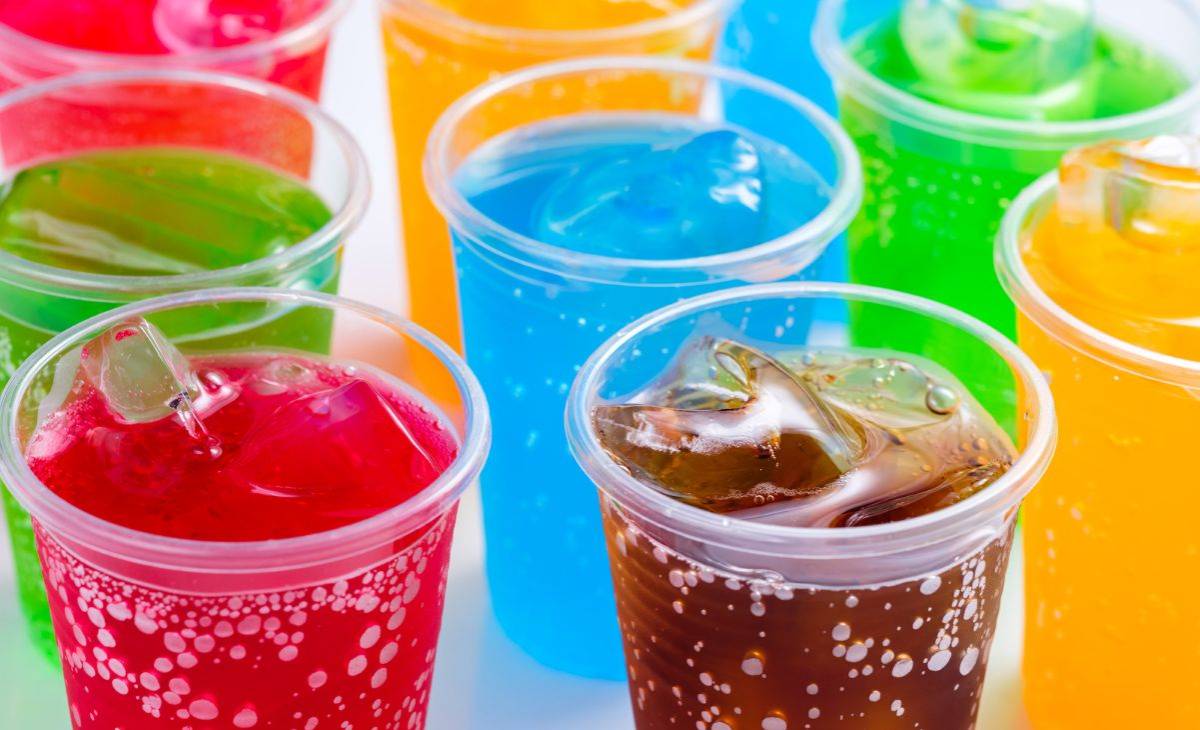
The World Health Organization (WHO) has released a draft document on food additives open for public comment through the end of November, signaling a major shift in global health policy. Once finalized, the guidance is intended to help national governments shape future regulations. For the first time, the WHO is moving beyond strictly nutritional metrics to target ingredients added primarily for appearance, texture, or flavor, that are not strictly necessary and could be phased out to make ultra-processed products less harmful.
Growing scrutiny from scientists and health experts has linked certain additives to disruptions in the gut microbiome as well as potential increases in allergy risks and attention-related disorders, though definitive evidence remains largely incomplete or missing. In the United States a hard line against food dyes has been taken, with bans on select colorings. Elsewhere, regulators and researchers are re-examining substances used for decades despite limited data on long-term effects, cumulative exposure, or interactions with medications and other compounds.
Much of this uncertainty stems from the U.S. "Generally Recognized As Safe" (GRAS) designation, which has allowed ingredients to be deemed safe based on centuries of use or a historical lack of red flags. Critics note that questionable compounds have slipped under that umbrella, prompting efforts to close regulatory gaps. While the European Food Safety Authority is reviewing broad categories of additives, the WHO’s move could carry wide-reaching consequences by giving health authorities clear definitions and threshold concentrations. Governments could use those benchmarks to set limits, levy targeted taxes, or mandate front-of-pack warnings on foods that should be strictly curtailed in a healthy diet.
Food industry groups have pushed back swiftly. Some trade associations warned that the proposed rules could sweep in a disproportionate share of products, including items with otherwise acceptable nutritional profiles that merely contain targeted additives, potentially undermining ongoing reformulation efforts. Companies are also concerned about the expense of altering recipes, updating packaging to meet stricter standards, and absorbing new taxes, as well as the prospect of class-action lawsuits similar to those seen in the United States. Even if the draft is revised, new additive standards appear likely to emerge alongside broader efforts to define ultra-processed and unhealthy foods.
Some researchers warned that conflicting systems leave shoppers navigating a maze of contradictory signals, risking both unaware consumption of poor options and avoidance of foods recommended elsewhere, reinforcing calls for independent bodies like the WHO to establish uniform standards.
Sources:

Methylene chloride colour additive uses revoked by FDA
The US Food and Drug Administration announced two actions on 9 November 2026 to revoke authorisations for methylene chloride as a colour additive diluent and in [...]
EU countries back permanent limits for cereulide in infant formula
European Union Member States have endorsed a proposal by the European Commission to introduce a permanent food safety criterion for cereulide in infant nutritio [...]