France accelerates plan to cut cadmium in agricultural fertilizers
French authorities have introduced stricter rules on phosphate fertilizers to tackle heavy metal contamination in farmland and protect the public food supply. Published in early October through a series of regulatory texts, the new measures set a clear path to lower the allowed levels of cadmium in fertilizer products to 20 milligrams per kilogram by 2030.
Under the prior framework, France permitted cadmium concentrations up to 90 mg/kg, a limit higher than the European Union's 60 mg/kg ceiling. The updated regulations phase in tighter restrictions over three main stages. Starting January 1, 2027, the limit will align with the EU standard at 60 mg/kg, before dropping to 40 mg/kg in 2028 and reaching the final 20 mg/kg threshold in 2030. Although this schedule speeds up earlier plans that targeted 2038, officials noted that adjustments remain possible if supply shortages or economic burdens strain the agricultural sector.
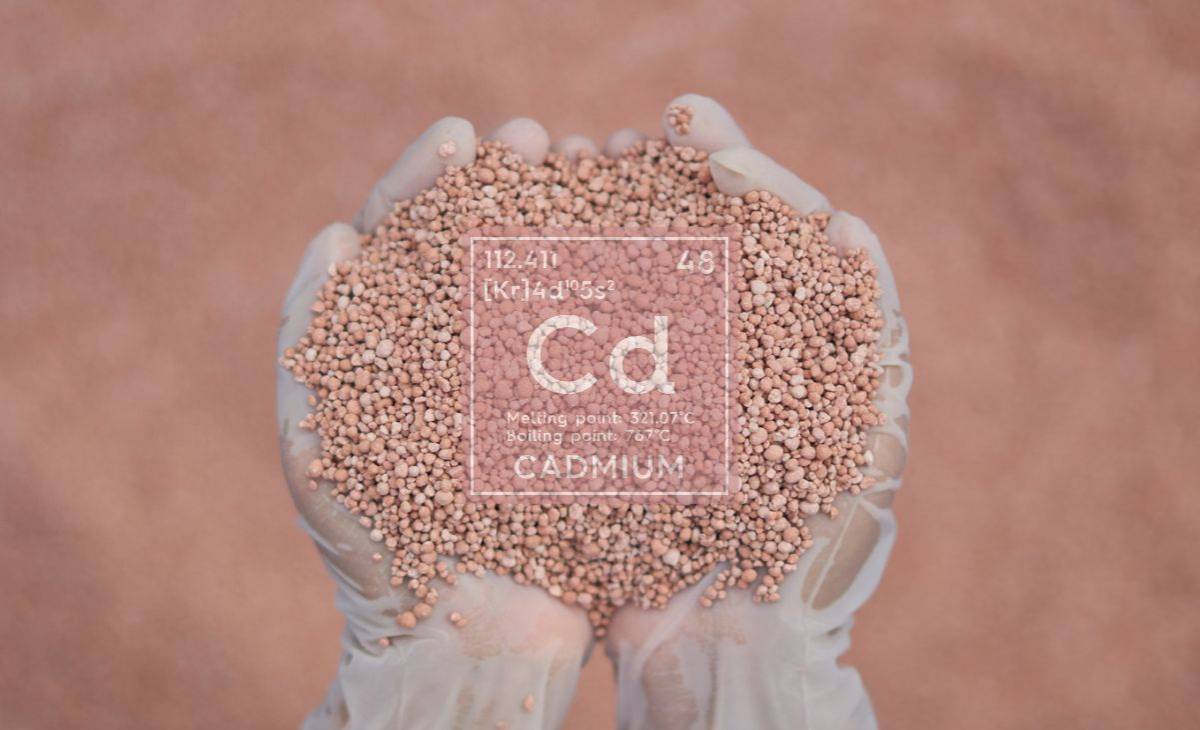
Cadmium enters the agricultural cycle because it exists naturally in the phosphate rock used to manufacture fertilizers. Repeated applications allow the metal to build up in farmland, where crops absorb it and pass it into common food items such as bread, cereals, and pasta. Because cadmium accumulates in human tissue over time and poses serious risks to kidney function and bone health, health authorities have urged action to solve the problem at the root of the issue.
A March 2026 report by the French food and environmental safety agency, ANSES, underscored the urgency of the problem, revealing high levels of cadmium exposure across much of the population, including young children. These findings, alongside consumer testing that confirmed widespread low-level presence in everyday staples, fueled parliamentary debates and public demands for quicker reform.
Implementing the new standard presents real commercial hurdles. France relies heavily on imported fertilizers from suppliers like Morocco, where raw deposits often contain higher heavy metal concentrations. Switching to lower-cadmium sources or investing in industrial purification processes will likely increase production costs.
Because cadmium lingers in soil long after application, lowering fertilizer limits will not instantly clear the contaminant from crops. Rather, the policy acts as a long-term strategy to halt further contamination, while health experts continue to suggest varied diets to minimize cumulative exposure.
Source:

New WHO foodborne burden estimates highlight severe impact of chemical contaminants
A global study published in The Lancet Global Health has provided updated estimates on the global burden of foodborne diseases. The comprehensive World Health O [...]
ANSES report: chemical contaminants in food dropping, but risks persist
For over 25 years, the French Agency for Food, Environmental and Occupational Health & Safety (ANSES) meticulously tracks, through its Total Diet Studies (E [...]