EU tightens contaminant limits in baby food and oils for 2027
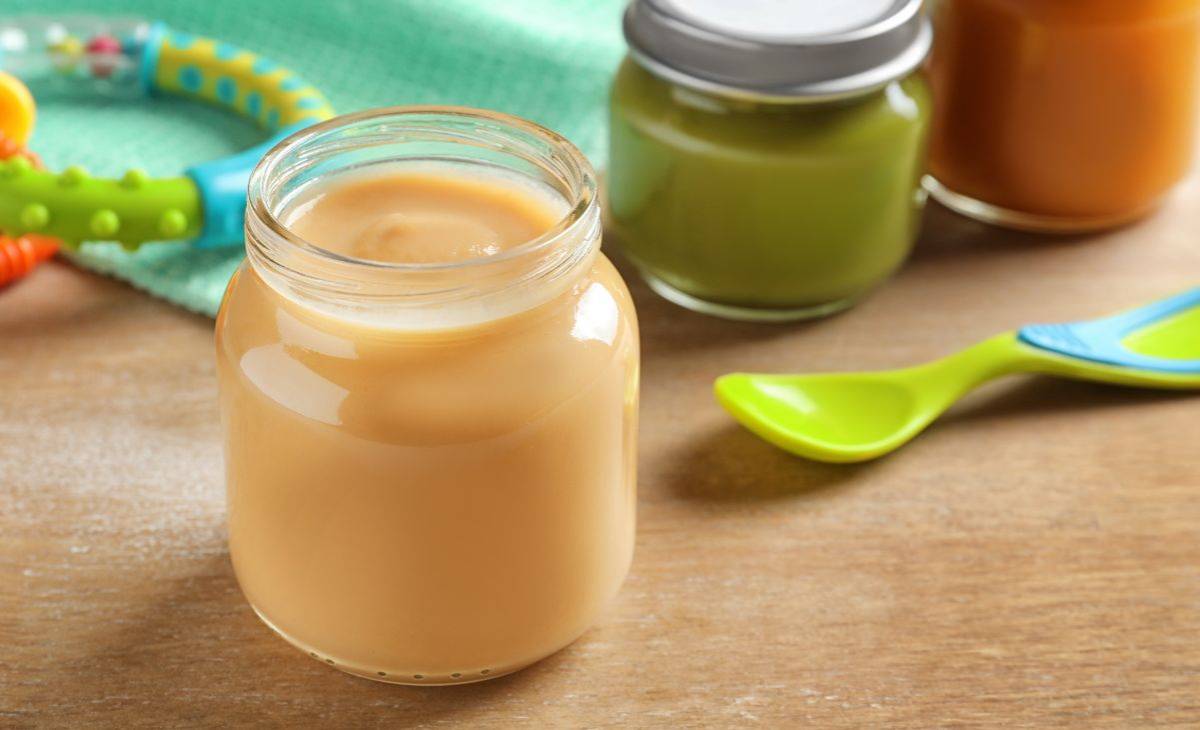
The European Union has finalized a decade-long regulatory push to protect infants from industrial contaminants by tightening limits on 3-monochloropropanediol (3-MCPD) and glycidyl esters in early-childhood foods. Formally adopted as Regulation (EU) 2026/1825, the new rules came into force on August 19, 2026, with major thresholds becoming mandatory on January 1, 2027.
The latest legislation addresses a historical regulatory gap by establishing maximum levels for baby food and cereal-based products for the first time. Starting next year, the limit for the sum of free 3-MCPD and its esters will be set at 50 micrograms per kilogram, while glycidyl esters will be capped at 25 micrograms per kilogram.
To ensure compliance at the consumer level, the EU is also targeting manufacturers upstream. The maximum allowable limits for oils and fats used to produce baby foods will be significantly reduced by 2027. Thresholds for 3-MCPD will drop from 750 to 500 micrograms per kilogram, while glycidyl esters will see a 50% cut, dropping from 500 to 250 micrograms per kilogram.
These contaminants are process-related byproducts that form unintentionally when vegetable oils, notably palm oil, are refined at high temperatures. During digestion, related esters release compounds that animal studies link to kidney and male reproductive system issues, while glycidyl esters release glycidol, a substance classified as genotoxic and carcinogenic.
While specific limits for infant formula have been progressively lowered since 2021, stabilizing at 80 micrograms per kilogram for powdered formulas and 12 micrograms per kilogram for liquid formulas, the 2026 framework expands protections to purees, jarred foods, composite foods containing added fats, and specific cooking oils like refined olive oil.
Products lawfully manufactured and placed on store shelves before January 1, 2027, will be permitted to remain available until their expiration dates, ensuring a smooth transition as manufacturers adapt to the stricter standards.
Source:
EU unveils 2027 control programme to step up food safety and import oversight
The European Commission has officially released its comprehensive control programme for 2027, outlining a rigorous schedule of inspections focused on food and f [...]
First new mycoprotein approved in EU amid concerns over slow regulatory timelines
The European Commission and EU member states have officially authorized a new mycoprotein ingredient for sale across the bloc, marking the first time a new myco [...]