New study seeks to tackle safety data gaps in thousands of food-packaging chemicals
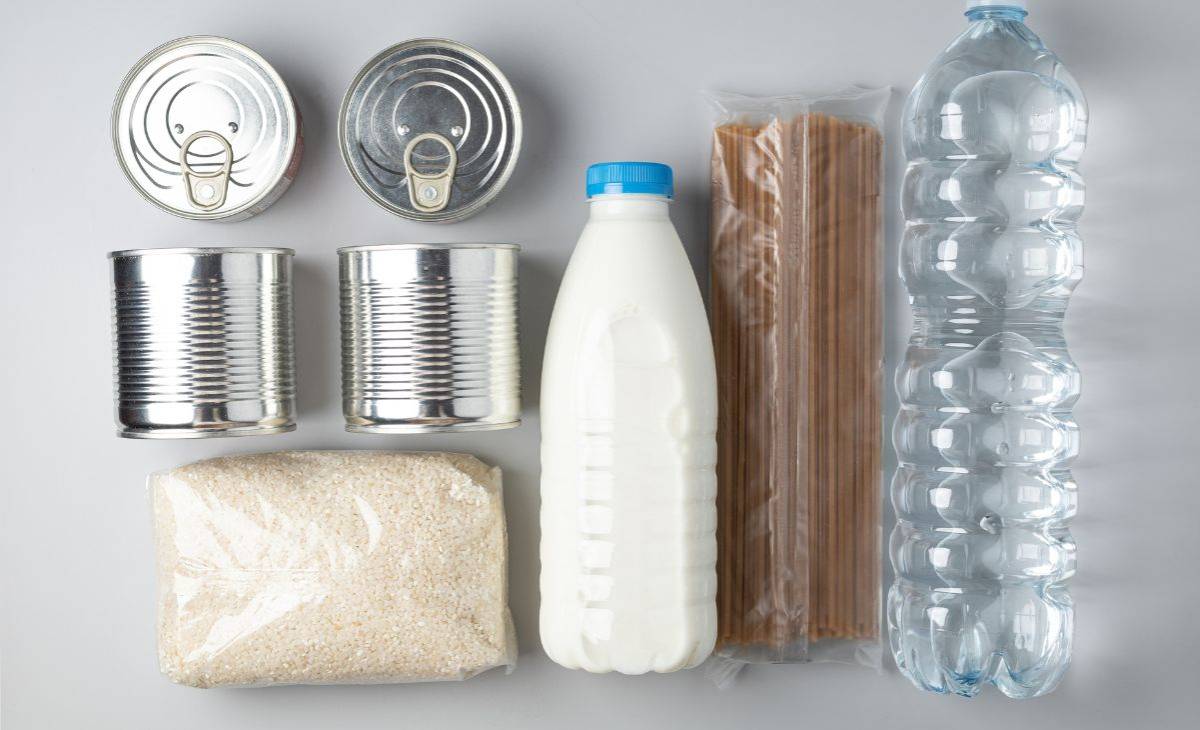
A newly published scientific study highlights that the vast majority of chemicals utilized in food-contact materials lack comprehensive safety data, leaving a significant blind spot in consumer health protection. While everyday packaging materials like wrappers, cartons, and plastic bottles are generally assumed to be inert, research shows that thousands of distinct chemical substances can migrate into food and beverages over time.
The investigation, featured in the journal Environmental Science & Technology, evaluated more than 15,000 chemicals associated with food packaging and kitchenware. The findings indicate that roughly 87 percent of these substances lack sufficient public safety data to fully assess their health impacts. Although more than 1,200 individual chemicals have documented major health risks, the vast majority remain unexamined or poorly understood. Furthermore, complex manufacturing processes and unintended contaminants frequently introduce a mixture of unmonitored compounds into final packaging products.
Current regulatory frameworks in major regions typically evaluate substances on an individual, one-by-one basis. Experts point out that this traditional method is excessively slow, creating a massive backlog that would require centuries to properly test all circulating compounds. This piecemeal approach also triggers a cycle of "regrettable substitution," where a restricted substance—such as bisphenol A (BPA)—is phased out, only to be replaced by a structurally similar chemical alternative that ultimately carries comparable health and safety concerns.
To overcome these regulatory hurdles, the study proposes a streamlined evaluation system based on chemical structure grouping. Rather than assessing thousands of compounds independently, regulators and manufacturers would organize chemically similar substances into shared categories. The research identified 38 priority groups containing high concentrations of known hazardous components.
Adopting this collective grouping strategy would allow oversight bodies to regulate entire families of related compounds simultaneously. Proponents argue that mass evaluation could drastically reduce the time needed for safety approvals, curb the rise of hazardous alternatives, and offer far stronger safeguards for public health.
Source:

Olive oil tests reveal mineral oil contaminants and looming EU rule changes
A recent investigative report by the Italian consumer advocacy magazine Il Salvagente has brought to light widespread mineral oil contamination in popular extra [...]
Germany introduces tiered framework for evaluating chemical risks in food packaging
The German Federal Institute for Risk Assessment (BfR) has released updated guidelines detailing a structured approach for evaluating non-intentionally added su [...]