Artificial intelligence and food safety: From pathogen detection to fraud prevention
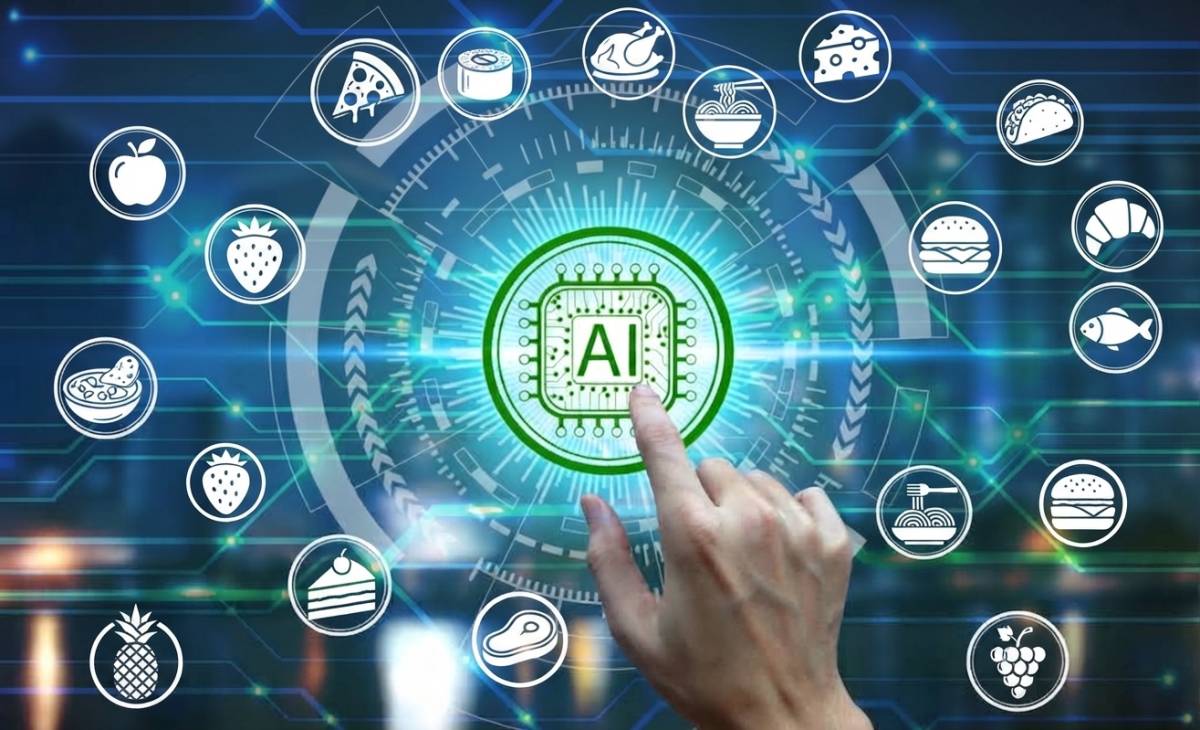
While global discussions often focus on the risks of artificial intelligence, a recent review published in npj Science of Food highlights how AI is already quietly transforming the food sector. Analyzing 161 scientific studies up to 2024 (surging from just one in 2012 to 46 in 2023), researchers from Wageningen University categorized AI applications into five key areas: microbiological risks, chemical contamination, food fraud, surveillance, and general food safety.
Microbiological contamination leads the field, accounting for the highest share of research. AI-driven programs analyzing genetic material and histological stains have drastically accelerated pathogen detection while identifying a wider species range than manual techniques. For example, electronic noses combined with AI achieved up to 100% accuracy in isolating Salmonella, E. coli, and Listeria.
In chemical safety, roughly a quarter of studies focus on non-invasive tools to detect agrochemical residues, heavy metals, and mycotoxins. Innovative programs successfully trace cadmium in rice and fungicides in red wine, while bolstering international import monitoring systems.
Artificial intelligence is also proving vital in the fight against food fraud. By processing spectroscopy data, electronic sensors, and even commercial invoices, scanning over 100 million transactions for anomalies, AI helps spot counterfeit products like edible oils, premium beef, and porcini mushrooms without always requiring physical samples.
Furthermore, AI-supported surveillance systems are proving roughly three times more effective than traditional methods. By utilizing tools ranging from border checkpoints to smartphone tracking, these systems help authorities prioritize inspections and predict the spread of foodborne outbreaks.
Despite these significant benefits, data remains a critical hurdle. Privacy concerns, commercial trade secrets, and inconsistencies in data collection pose ongoing challenges. To address these issues, researchers emphasize the adoption of Explainable AI and Federated Learning, which prevent centralized data collection and make systems easier to control. Ultimately, the research underscores that AI is no longer a futuristic concept in the food industry, but an established, versatile reality shaping what we eat.
Source:

New review highlights dangers of titanium dioxide in food products
Recent peer-reviewed research has once again focused attention on the food additive titanium dioxide, indicating that its toxic effects might be more significan [...]
Review on food contamination risks calls for global cooperation
A recent review has assessed the various types of food contaminants (biological, chemical, and physical) and the underlying factors contributing to food safety [...]