EU unveils 2027 control programme to step up food safety and import oversight
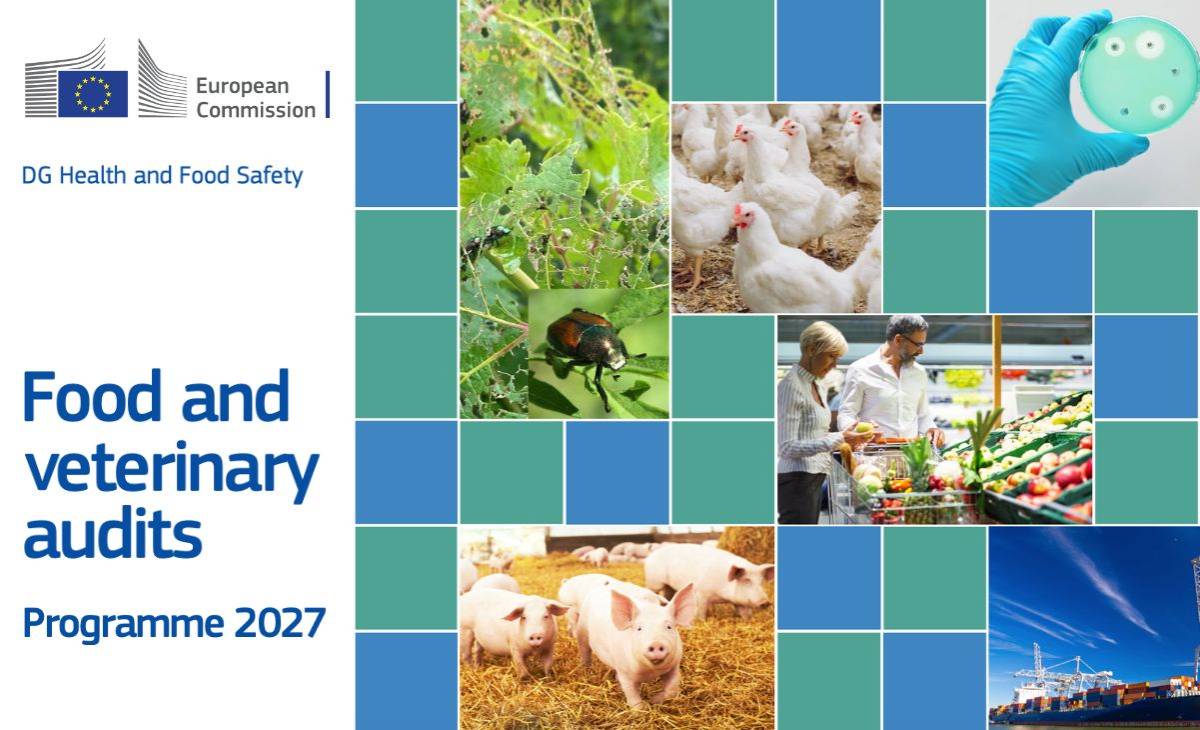
The European Commission has officially released its comprehensive control programme for 2027, outlining a rigorous schedule of inspections focused on food and feed safety, animal health and welfare, plant health, and import standards.
Managed by the Directorate-General for Health and Food Safety, the initiative maps out a total of 144 audits and eight fact-finding missions across European Union Member States, candidate countries, and international trading partners. The core objective is to ensure that European Union rules are rigorously and uniformly enforced on the ground. These evaluations will thoroughly test official control systems by visiting central and regional authorities, local laboratories, operating farms, and commercial food businesses.
A standout feature of the 2027 strategy is a significant expansion in oversight for goods entering the bloc from outside the Union. The Commission will conduct 58 audits in third countries that export to the EU, marking a substantial 107 percent increase compared to 2025 levels. Additionally, inspections at European entry points will rise to eight, representing a 60 percent boost over 2025 figures. A dedicated series of 12 audits is also scheduled for nations currently applying for EU membership to help align their standards with European requirements.
To tackle complex contemporary challenges, the 2027 plan incorporates four targeted fact-finding missions centered on the One Health framework. This integrated model explicitly recognizes that human, animal, plant, and environmental health are deeply interconnected.
Priority setting for the entire programme relies on a meticulous risk assessment process. Factors influencing the agenda include statutory legal obligations, identified food safety risks, trade volume metrics, historical audit outcomes, and past evidence of non-compliance. Because regulatory environments and global trade dynamics shift rapidly, the department retains the flexibility to adapt the schedule. An updated list reflecting adjustments for the second half of the year is typically published in June.
Source:
EU tightens contaminant limits in baby food and oils for 2027
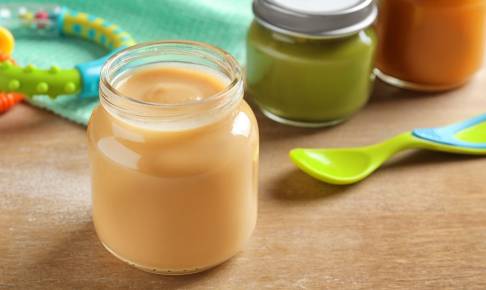
The European Union has finalized a decade-long regulatory push to protect infants from industrial contaminants by tightening limits on 3-monochloropropanediol ( [...]
First new mycoprotein approved in EU amid concerns over slow regulatory timelines
The European Commission and EU member states have officially authorized a new mycoprotein ingredient for sale across the bloc, marking the first time a new myco [...]